// Flight manual :: declassified_
THE MANUAL
Everything on board: how the black hole eats the supply, how the collectibles work, and where the contracts live.
The red planet, before us.
Four billion years ago, Mars had a sky worth envying. Rivers braided across its lowlands, an ocean pooled in the north, and clouds moved over volcanoes three times the height of ours. Then the core cooled. The magnetic field failed, and the solar wind peeled the atmosphere away, atom by atom, over a hundred million patient years. The water left or went under. What remained was the color of rust, and it waited.
For most of our history it was only a red wanderer in the night. Babylon called it Nergal, Rome named it for war, and when the first telescopes arrived we drew canals on its face because we so badly wanted neighbors. We were wrong about the canals. We were not wrong that the place mattered.
Then we went. A flyby that returned craters where we hoped for cities. Landers that tasted the soil. Rovers that outlived every warranty their builders dared to print, tracing dry riverbeds and drilling into stone that remembers water. A helicopter that flew in air too thin to whisper in. Mars is the only world we know whose entire population is robots, and every one of them was sent by us, still calling home.
This project takes its name from that chronicle. A world that endures by letting go: an atmosphere surrendered, a supply devoured, and something patient at the center of it all, growing stronger the longer it waits. The next entry in the log is ours to write.
The black hole, explained.
Every taxable MARS transfer pays 5% total friction: 3% reflects pro-rata to every holder and 2% accrues to the liquidity treasury.
The black hole (the dead address) is a holder like any other, except it can never sell. It holds over half the supply, so it silently absorbs the majority of every reflection. Its share grows with each trade, which makes it absorb even more of the next one: exponential deflation from a simple feedback loop.
Protocol contracts (the mint, the staking bay, the defense grid) are exempt from friction, so rewards, prizes and burns always move at face value. Tax applies to trades and wallet transfers, where it belongs.
Handcrafted. Never reprinted.
10,000 handcrafted artifacts, and no two are alike. 596 base models across 56 archetypes, each piece finished with its own Background and Effect, and every one of them in motion. Tradeable. Stakeable. Never reprinted.
Tiers
Backgrounds
Effects
Each archetype's MK-I is its PRIME edition, minted at 0.45x supply. A sha256 provenance hash of the full trait assignment is committed on-chain before reveal, so the rarity draw is verifiably untampered.
Blind. Then revealed.
Connect
Connect your wallet from the right rail. Minting runs on Robinhood Chain; your wallet is switched automatically.
Mint blind
Pick a quantity on the Launch Pad (up to 20 per wallet) and mint. Every token shows the blindbox until reveal: rarity is pure draw.
Reveal
After the mint the collection reveals against the pre-committed provenance hash. Your artifacts, models and traits appear.
Idle hangars pay rent.
The bay emits a fixed stream of MARS every second, and docked collectibles split it by weight: higher tiers carry more weight, so a Legendary earns five times a Common. Fewer stakers means a bigger share for everyone docked. Emissions are pre-funded per season and can never exceed the pool. Unstake or claim at any time; rewards transfer untaxed. The pool itself holds MARS, so it earns reflections from every trade; when a season ends, that surplus becomes the next season automatically. Trading volume literally funds the future of staking.Staking is wired into the war: docking requires an open hangar, and your hangar level boosts your effective share, from 70% at level one to 115% at level ten. Hangar levels are bought with MARS, and 60% of that burns, so the emission stream itself feeds the hole.
Defend Mars. Everything you spend feeds the hole.
The Defense Grid is the flywheel. Pilots open a hangar once (a small ETH commission), fly missions against the harvest fleet, and spend MARS on the machinery of war: ship modules, new hulls, hangar levels and extraction rigs. Every MARS spent in the hangar splits the same way, on-chain, every time: 60 percent devoured by the black hole forever, 25 percent into the weekly prize pool, 10 percent to the treasury, 5 percent to the pilot who recruited you.
Missions drop materials: Scrap, Plasma and Void Shards, minted as tokens you can trade or burn into permanent ship enhancements. Your best weekly score lives on-chain, and when the round closes the prize pool pays the board.
The Extraction Bay is the idle wing of the hangar. Twelve classes of mining rig, from the Scrap Pick to the Singularity Loom, each a tradeable token with its own output (alpha) and seat cost (bandwidth). Your hangar level grants four seats per level; seated rigs mine MARS every second from a fixed pool whose rate halves every 30 days. Collect whenever you like. Early rigs drink from the richest stream.
Recruiting is on-chain: share your hangar link and you earn 5 percent of everything your recruits ever spend, forever.
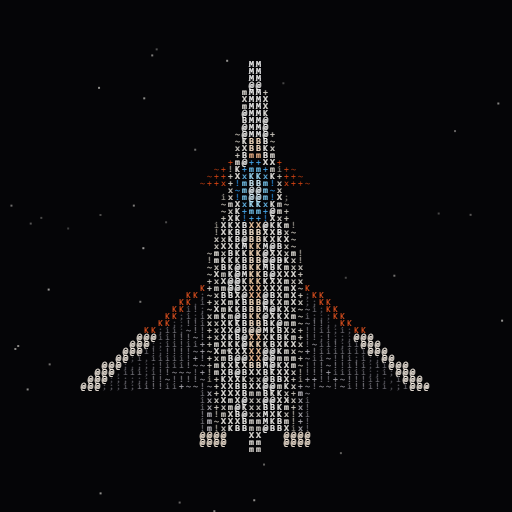
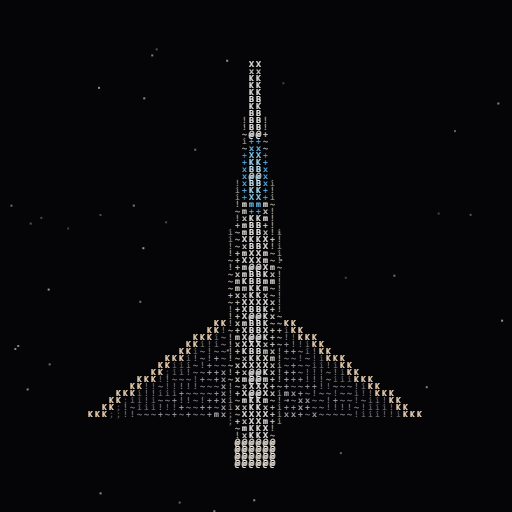
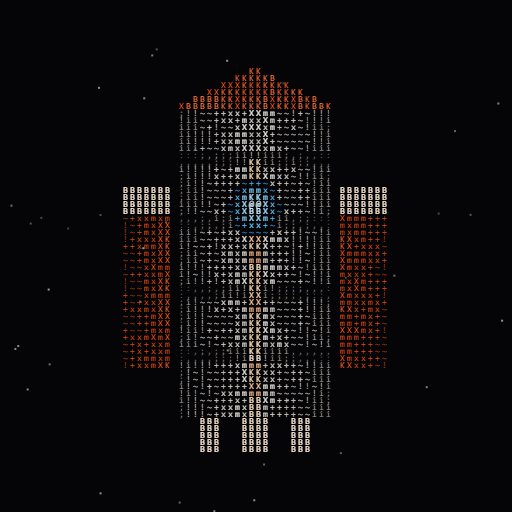
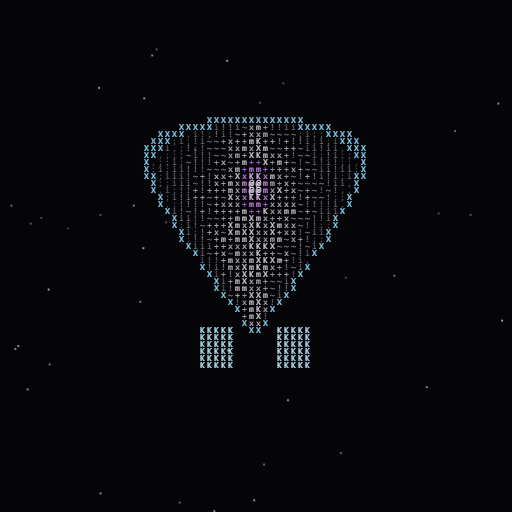
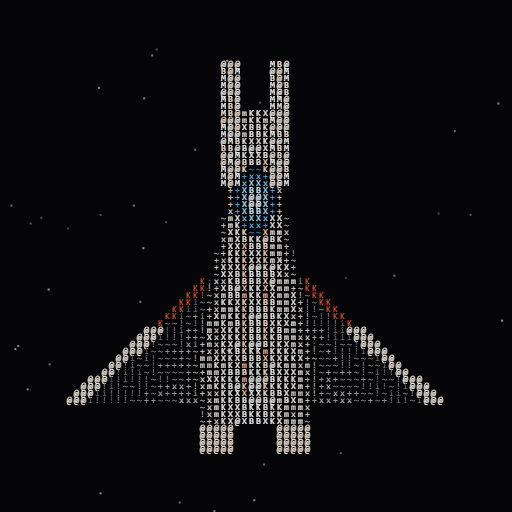
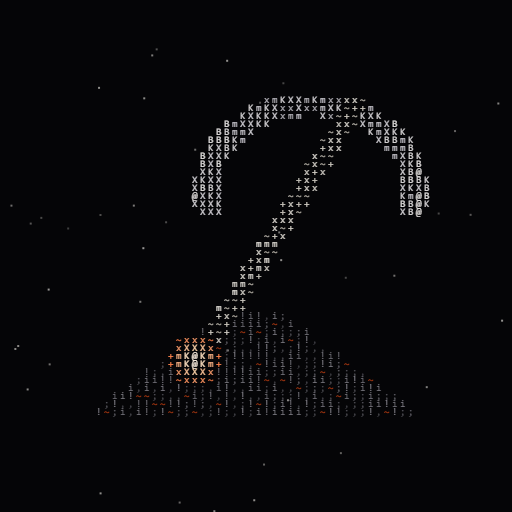
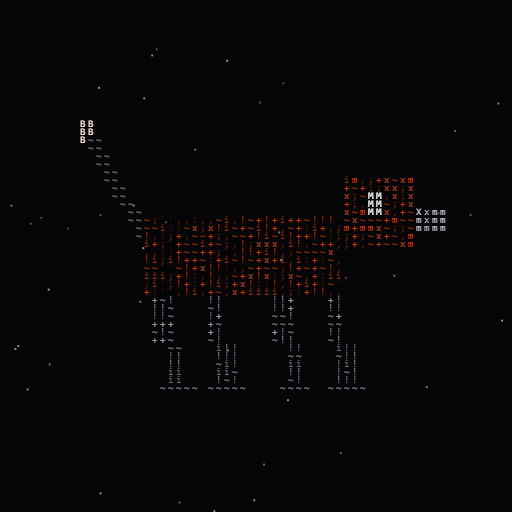
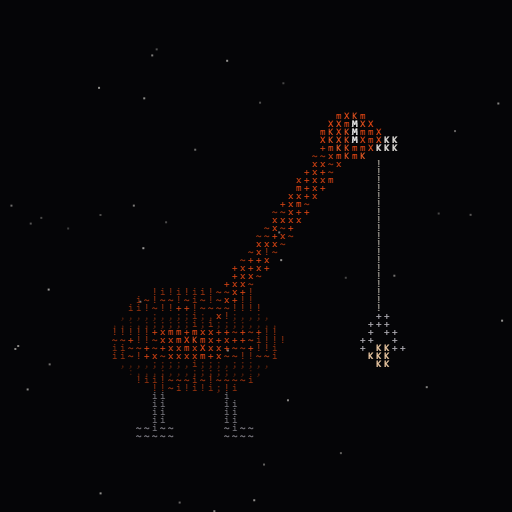
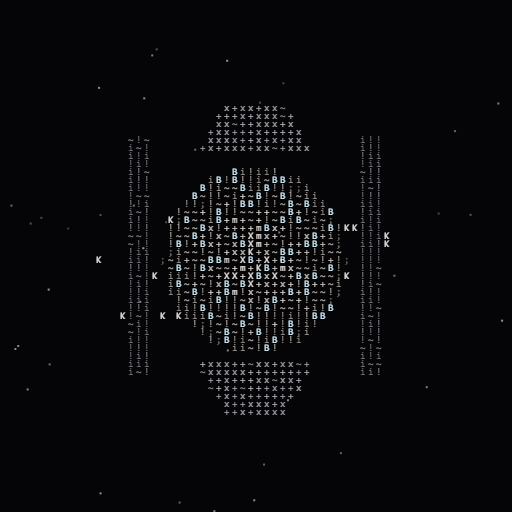
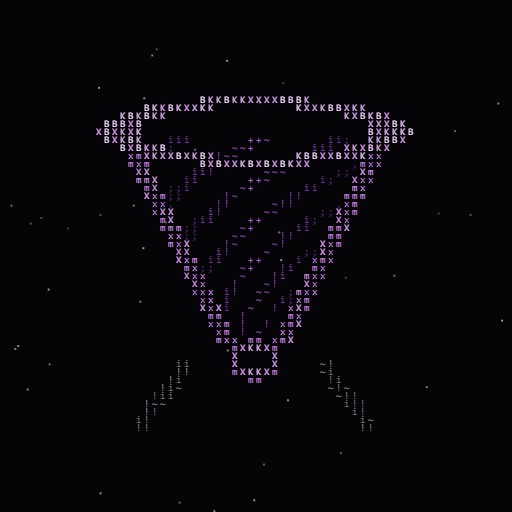
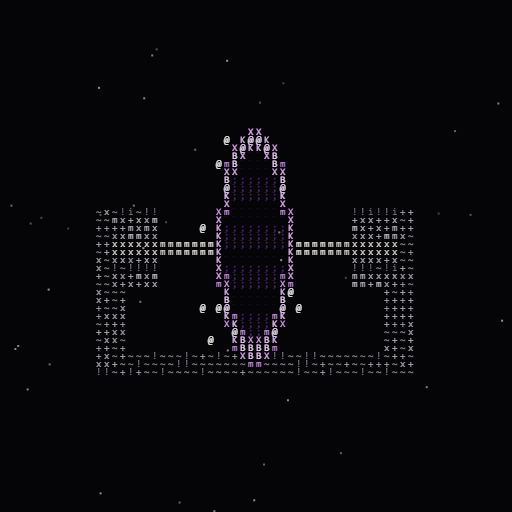
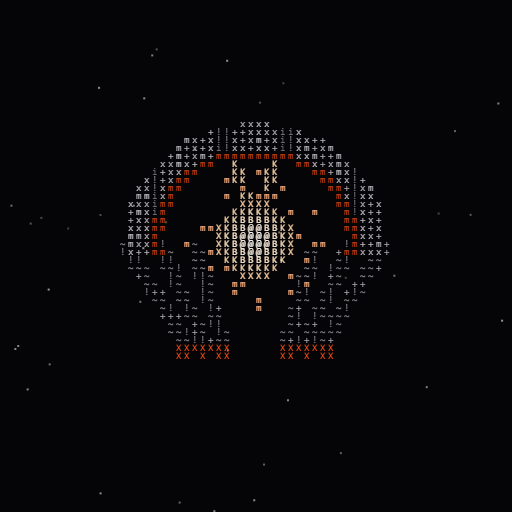
Burn salvage into any module track for permanent enhancement points: Scrap is worth 1, Plasma 5, a Void Shard 25.
+60% shot damage per level and a faster firing cycle. The single biggest lever on your kill rate.
+1 hull point per level on top of your ship's frame. Hull is how many hits you survive.
+26 flight speed per level. Speed is dodge, and dodge is life against boss barrages.
+22 pull radius per level. Salvage and power-ups drift to you instead of dying at the screen edge.
Passive shield charges: launch with one at LV3, two at LV6, and the cap rises to three at LV8. Higher levels regenerate faster mid-mission.
+3% critical chance per level. At LV6 every bolt pierces through one extra target.
Cannon cooldown cut to less than half for 8 seconds. Stack it with SPREAD and delete waves.
Two extra forked bolts above and below your line of fire, for 8 seconds.
+2 shield charges on pickup, up to your Shield Gen cap. A charge eats one hit.
+1 hull, and it can overcharge you one point past maximum.
Wager MARS and launch. The multiplier climbs from 1.00x as your ship accelerates; eject at any moment to lock in wager times multiplier, but the black hole closes on a hidden point committed before your flight, and if it catches you the wager is devoured. Every launch pays a 1% fee straight through the burn split, the house edge feeds a bankroll, and everything the bankroll grows beyond its target is devoured too, 80% into the hole. Each flight's fate is committed cryptographically before launch and revealed after, so the referee can never move the crash point on you. The hazard climbs with altitude: quick ejects are nearly fair, deep flights fly against the odds, and the curve caps at 100x. It is a casino. Fly accordingly.
The contracts, live.
* Robinhood Chain testnet deployment.